Complete Guide to Identifying Genuine vs. Counterfeit Auto Spare Parts
In the auto spare parts market, finding an original part can sometimes be as difficult as finding a parking spot in the city center. The wide variety of brands, the growing number of counterfeit products, and their strong visual similarities have created a serious challenge for many drivers and mechanics. Making the wrong choice not only increases repair costs but can also damage other components of the vehicle. In this article, we review the most important tips and criteria that help you distinguish genuine spare parts from fake ones.
1. Check the Packaging and Box
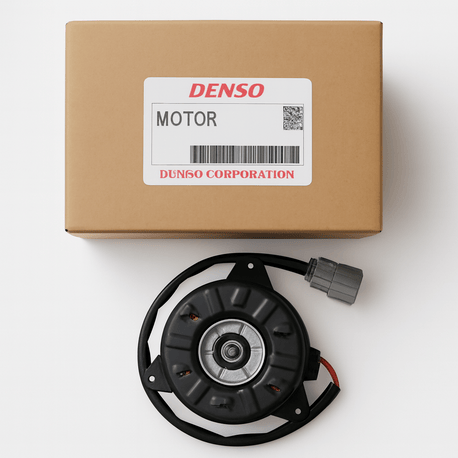
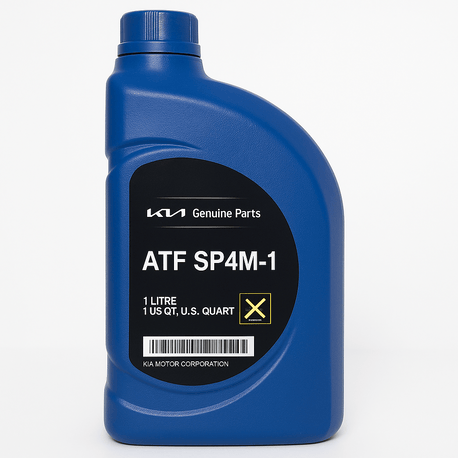
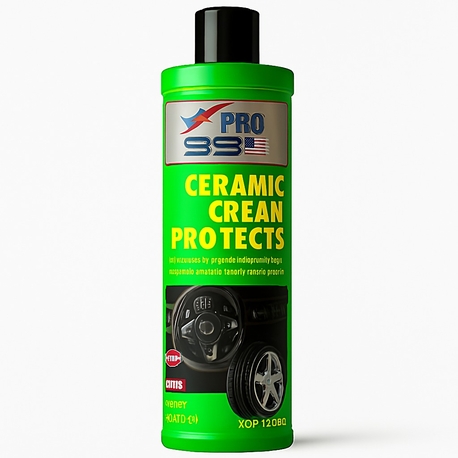
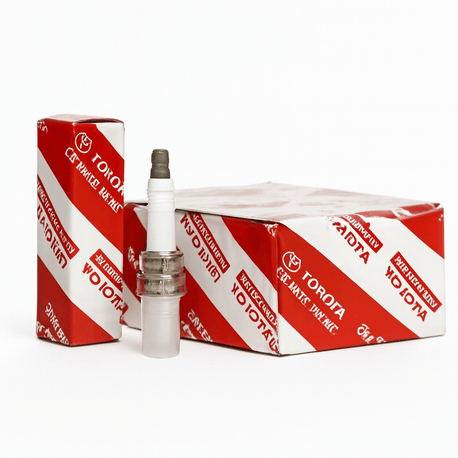
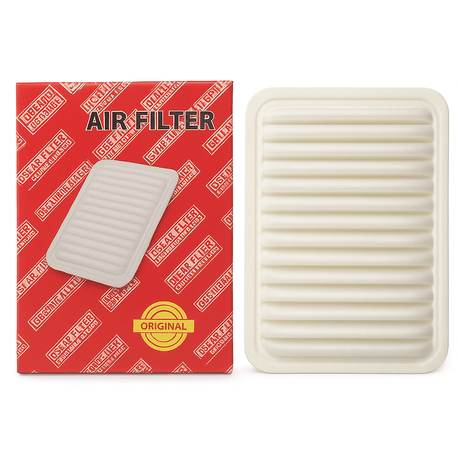
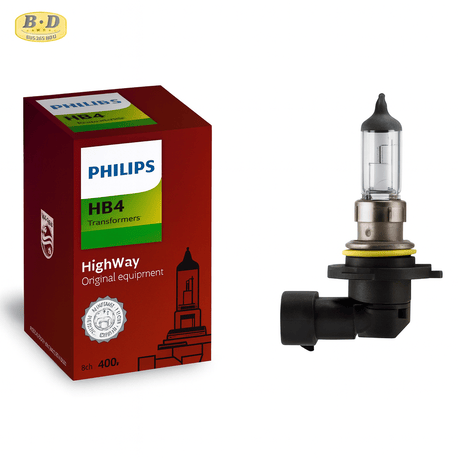
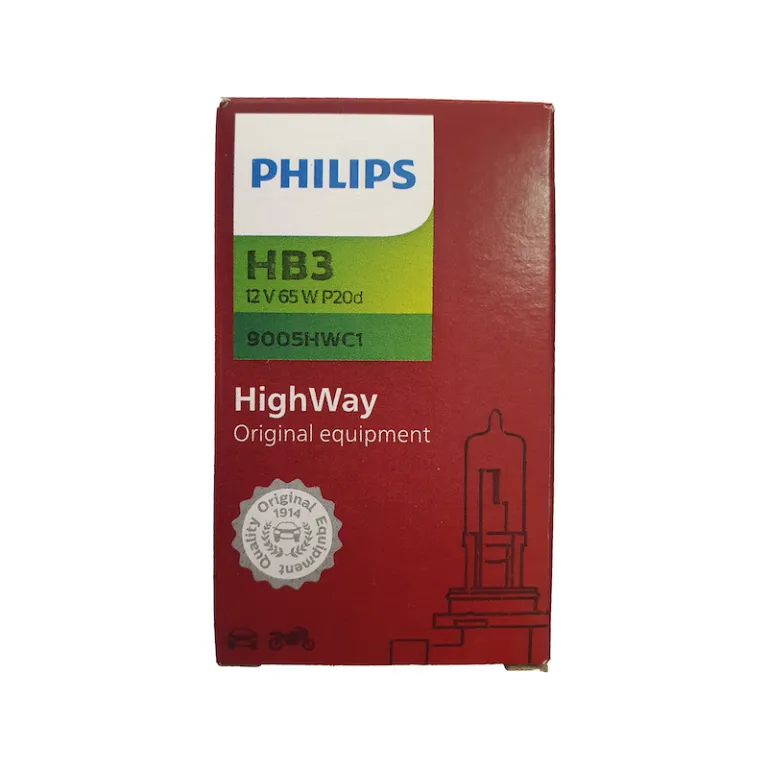
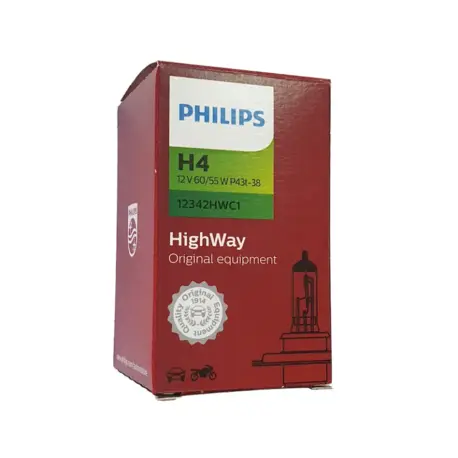
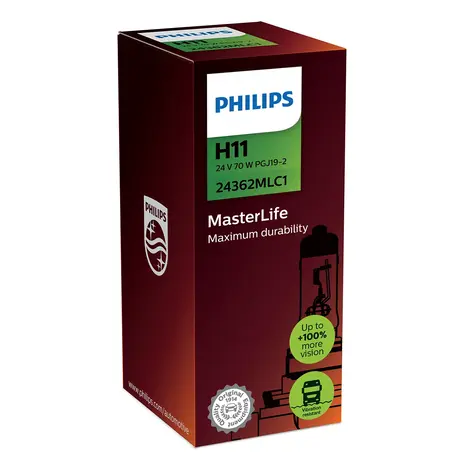
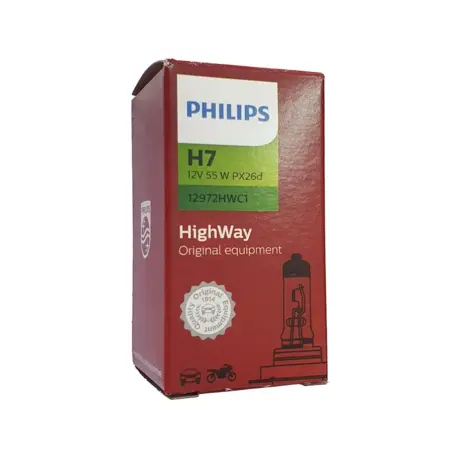
The first and simplest step is to carefully examine the packaging. Reputable brands usually use high-quality boxes, precise printing, and security holograms. Irregular fonts, poor color quality, spelling mistakes, or the absence of a hologram can indicate a counterfeit product. In addition, some manufacturers provide a tracking or verification code that allows you to check the product’s authenticity.
2. Pay Attention to a Reasonable Price
Genuine spare parts have a relatively fixed market price. If a seller offers an unusually low price, you should question the authenticity of the product. Original parts go through strict quality standards, so it is natural for them to be more expensive than unofficial alternatives. However, a high price does not always guarantee authenticity either—sometimes counterfeit parts are sold at higher prices to gain the buyer’s trust. The key factor is whether the price aligns with the normal market range.
3. Check the Serial Number and Part Code
Almost all genuine parts have a printed or engraved serial number. This number should be clear, accurate, and free from scratches or alterations. Counterfeit parts often use repetitive serial numbers, low-quality printing, or invalid codes. If online verification is available, always check the serial number through the brand’s official website.
4. Evaluate Build Quality and Materials
Original spare parts are usually made from high-quality materials, and their build quality is clearly noticeable. Unusual weight, rough edges, uneven welds, low-quality plastic, or inconsistent paint finish are all warning signs. Parts with poor appearance typically deliver poor performance as well.
5. Buy from Authorized and Trusted Sellers
One of the best ways to avoid counterfeit products is to purchase from reputable stores or official dealerships. These sellers protect their reputation by offering genuine products and usually provide warranties and after-sales support. Buying from unknown sellers or unverified social media pages carries a high risk.
6. Choose Brands with Recognized Standards
Some brands are more well-known due to their long history and consistent quality. Choosing reputable brands reduces the likelihood of purchasing counterfeit parts. Trusted manufacturers often use embossed logos, exclusive packaging, and specific security features.
7. Review Other Users’ Experiences
Before making a purchase, reading customer reviews on websites and social media can be very helpful. Many buyers share their experiences with different brands and sellers, providing valuable insights that help you make a more informed decision.
8. Compare the Part with an Original Sample
If you have access to an original sample, a direct comparison is one of the most reliable methods. Differences in weight, dimensions, paint quality, serial number engraving, packaging, and even the smell of materials can be noticeable. Genuine parts are typically produced with greater precision and attention to detail.
Conclusion
Identifying genuine auto spare parts requires attention and awareness. By checking packaging, serial numbers, build quality, reasonable pricing, and purchasing from trusted sellers, you can significantly reduce the risk of buying counterfeit products. Using original parts not only extends the lifespan of your vehicle but also ensures driving safety. A little extra care during purchase can save you from unnecessary costs and future problems.